A bitter cup of tea is rarely the tea's fault. Most of the time it comes down to a decision made in the ninety seconds around brewing: how long the leaves sat, how hot the water was, how much leaf went into the pot. The good news is that these mistakes are easy to spot once you know what to look for, and nearly every fix costs nothing and takes seconds.
Here are the five most common brewing mistakes, what each one does to the cup, and how to correct it.
Everything good in tea arrives early. The sweetness, the aromatics, the body and the roundness — they show up in the first minute or two. The compounds that make your mouth feel dry and the cup taste harsh keep coming long after that. A five-minute steep does not produce a stronger, richer tea. It produces a flatter, more bitter one, and no amount of milk hides it.
The fix: set a timer. Not a mental count, an actual timer. Start on the short side and taste as you go.
If you have already oversteeped, lift the leaves out immediately. Add a splash of hot water to dilute, or pour the whole thing over ice and lean into it as iced tea. Stirring and hoping will not bring it back.
Pouring a rolling boil over delicate green tea is roughly like cooking a lettuce leaf in a frying pan. The leaf scalds, and the cup turns sharp, metallic and unpleasantly vegetal. Go too cool with a black tea or a roasted oolong and you get the opposite problem: a thin, dull, slightly sour cup, because the leaves never fully open.
No thermometer? Boil the kettle and let it stand. As a rough guide, a minute or two off the boil lands near black-tea range, three to four minutes gets you into green-tea territory. A variable-temperature kettle or an inexpensive probe thermometer removes the guesswork entirely, and it is the single upgrade most worth making.
A cold ceramic teapot or a chilly mug pulls heat out of the water the moment you pour. Rinse the vessel with hot water, empty it, then brew. The temperature you aimed for is the temperature the leaves actually get.
Most of us scoop by volume into a mug of unknown size, which makes consistency impossible. A teaspoon of fine broken leaf takes up far less space than a teaspoon of big, twisted oolong leaves, yet the broken leaf releases its flavor much faster. Same scoop, very different cup.
The fix: weigh your tea once or twice if you own a kitchen scale. About 3 grams of leaf per 250 ml (roughly 8 oz) of water is a sensible starting point for most teas; go a little heavier for whole-leaf oolong brewed in short, repeated infusions. Weighing a few times trains your eye, and after that a spoon is fine.
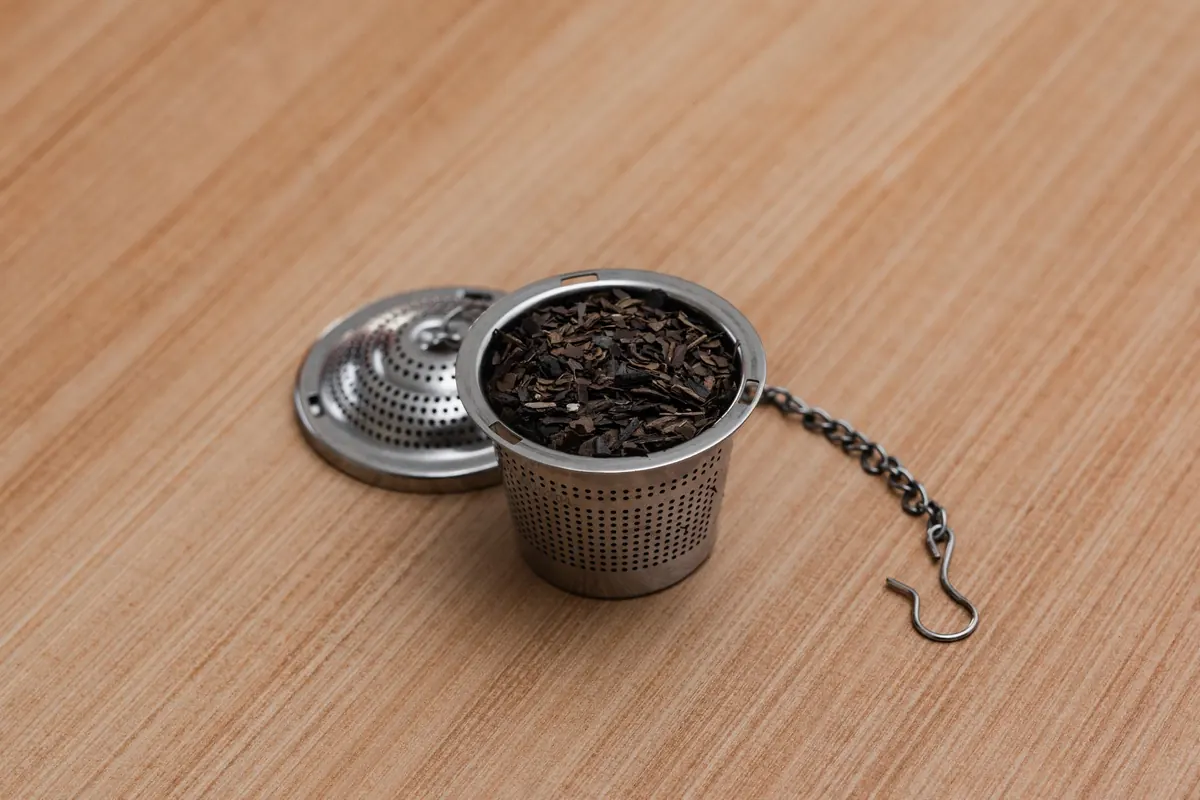
Just as important: give the leaves room. A small ball infuser crimps whole leaves and stops them unfurling, which is why tea from a cramped strainer often tastes flat. Use a basket, a teapot or a gaiwan that lets the leaf expand to several times its dry size.
Tea is dried, but it is not inert. It absorbs moisture, it absorbs smells, and it fades. A tin left open on a shelf beside the coffee grinder will taste of coffee within weeks. Those pretty clear glass jars on a sunny windowsill look wonderful and quietly ruin the tea inside them.
Tea is mostly water, and a cup is only as good as what you pour into it. Heavily chlorinated tap water flattens the aroma. Very hard water, high in minerals, can leave a film on the surface and mute the taste. Water that is extremely soft can taste hollow in the other direction. If your tap leans strongly one way, filter it or try a low-mineral bottled water and taste the difference in the same tea.
One more habit worth breaking: reboiling the same water all afternoon. Repeatedly boiled water tastes flat and lifeless, whether from lost oxygen or simply from minerals concentrating as the water evaporates. Fill the kettle fresh each time. It costs nothing.
If you change nothing else, change these:
None of this is fussy. It is the difference between a cup that tastes like the tea you paid for and one that tastes like a mistake. And every fix is reversible: if the next cup is thin, add leaf or a little time; if it is harsh, cut the time or drop the temperature. A small notebook, or a note on your phone, will teach you more about your own taste in a month than any guide can.
One practical note if caffeine matters to you for health reasons: longer steeps extract more of it, so if you have been advised to limit your intake, check with a healthcare professional rather than relying on brewing tweaks alone.
Photo: Vinh Lâm / Pexels