A tin of green tea and a tin of black tea can begin with leaves from the same plant, picked in the same week on the same hillside. What separates them is everything that happens afterward: how long the leaves are left to oxidize, whether heat stops that process, and whether the finished tea is rolled, roasted, or set aside to age. Once you know those few steps, the five main categories stop being a mystery and start being a map.
This is a working comparison, not a museum tour. By the end you should be able to guess how a tea will taste and roughly how to brew it before you open the bag.
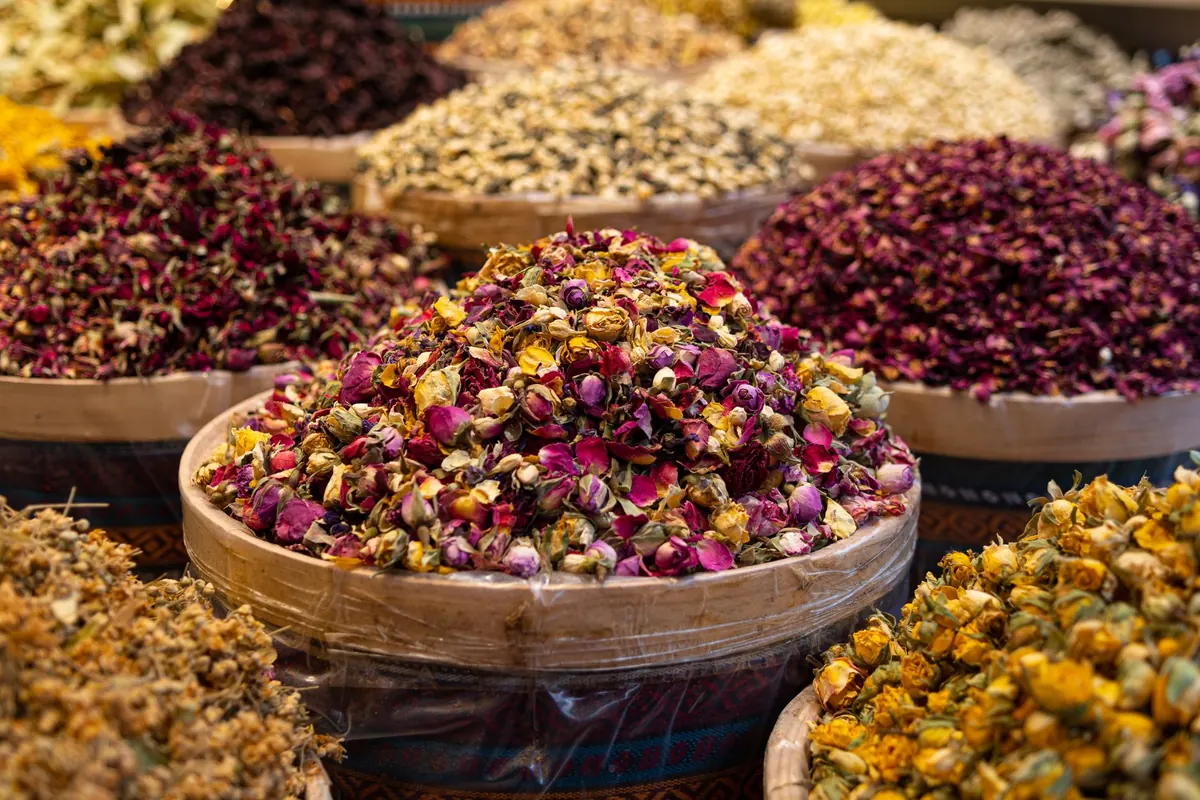
Every true tea — white, green, yellow, oolong, black, and pu-erh — comes from Camellia sinensis. Peppermint, chamomile, and rooibos are tisanes: pleasant, but a different category entirely.
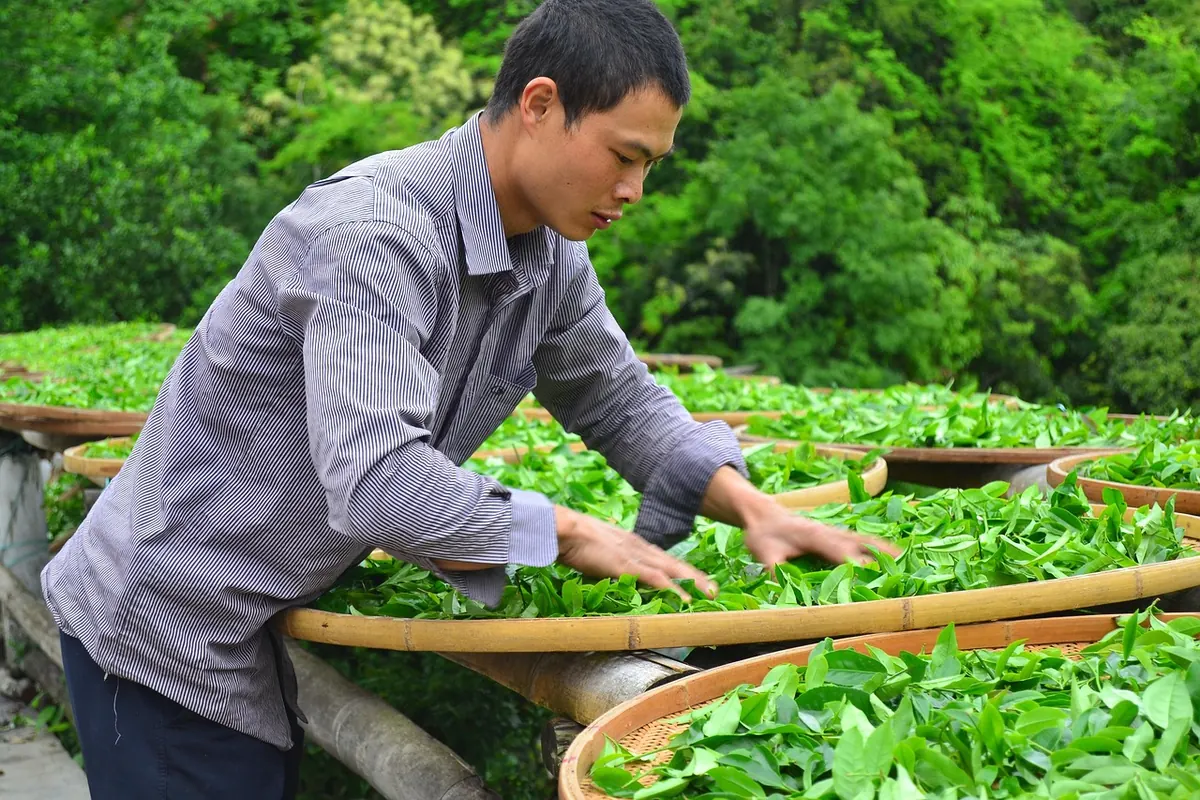
The main variable is oxidation. After picking, enzymes in the leaf react with air and the leaves darken, much as a cut apple browns. A tea maker can halt that reaction with heat (often called kill-green or firing), encourage it by bruising and resting the leaves, or let it run to completion. White and green teas are barely oxidized. Oolong sits in the middle. Black tea goes all the way.
Pu-erh breaks the pattern. It is oxidized only lightly, then changed over months or years by microbes and time. Two smaller choices also shape flavor: leaf shape (whole, rolled into balls, twisted into strips, or broken) and late heat such as pan-firing or charcoal roasting.
White tea is the least handled of all. Growers pick buds and young leaves, wither them, and dry them. No rolling, no kill-green step, no roasting. Silver Needle is made of buds alone; White Peony includes a bud and two leaves. Expect soft flavors — honey, hay, melon, a whisper of cucumber — and a light body that is easy to overpower.
Brew it at roughly 80–85°C (175–185°F) for two to three minutes. Some white teas age well, gaining stone fruit and herbal depth after a few years in a dry cupboard.
Green tea avoids oxidation by applying heat soon after picking. Chinese greens are typically pan-fired, which brings out chestnut and toasted notes; Japanese greens are steamed, which keeps things grassy and marine. Longjing tastes of chestnut and green bean; sencha is brisk and seaweed-adjacent; gyokuro is sweet and savory.
Use cooler water than you think: 70–80°C for 60–90 seconds. Pouring a rolling boil onto a delicate green is the single most common way to make a cup taste bitter and thin.
Oolong is a technique as much as a category. Leaves are bruised — often by tossing them in bamboo trays — then rested so oxidation proceeds partway, anywhere from a light touch to more than half. Many oolongs are rolled into tight balls or twisted into strips and may be roasted at the end.
The range is enormous. A light Anxi Tieguanyin is floral and creamy, almost like a green tea with more perfume. A roasted Dong Ding or Da Hong Pao turns dark, toasty, and cocoa-like. Oriental Beauty, bug-bitten and honeyed, tastes of peach and muscat. Brew oolongs at 90–95°C and re-steep the same leaves four to six times, adding a few seconds each round. The leaves unfurl as they go, and the third or fourth steep is often the best.
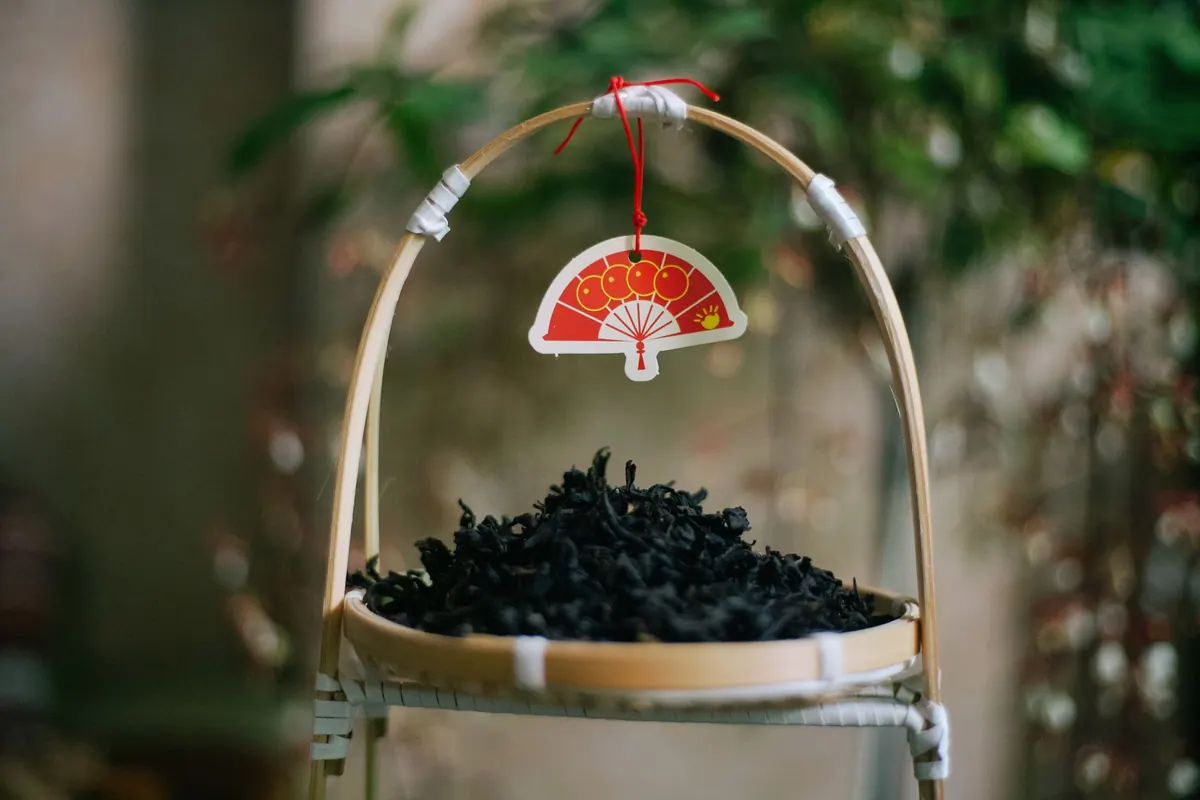
Black tea is allowed to oxidize completely, which turns the leaves coppery and builds the flavors most Western drinkers grew up with: malt, cocoa, dried fruit, spice. In China it is called red tea, after the color of the liquor rather than the leaf.
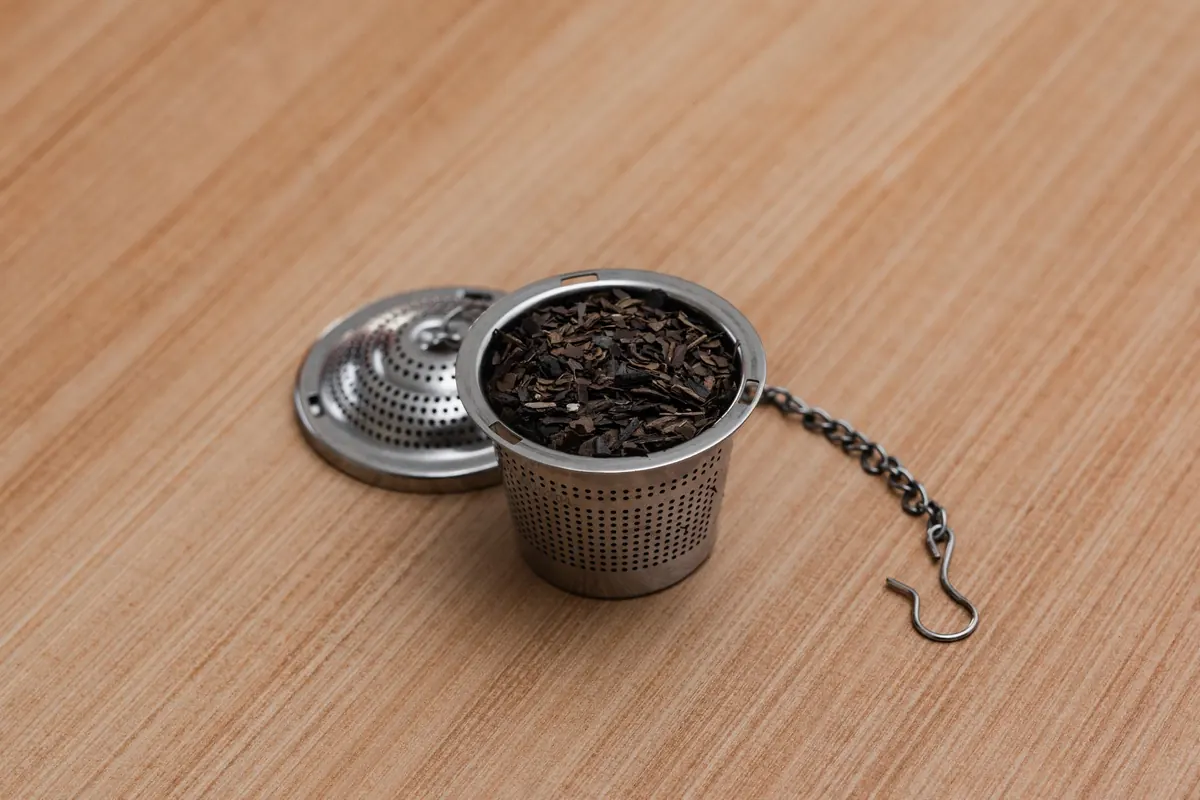
Origins matter more than the color. Assam is malty and brisk, Darjeeling is lighter with a muscatel edge, Keemun is smoky-sweet, Ceylon is bright and citrusy. Brew at 95–100°C for three to five minutes. Whole-leaf teas need the longer end; broken leaves and fannings give up their flavor in half the time.
Pu-erh comes from Yunnan, where large-leaf tea is sun-dried and pressed into cakes, bricks, or bird's-nest shapes. Raw pu-erh is aged slowly and changes for years, moving from sharp and vegetal toward dried fruit and camphor. Ripe pu-erh is wet-piled first, a controlled microbial fermentation that produces a dark, earthy cup within months rather than decades.
Expect forest floor, damp wood, cocoa, and dried date. Brew with boiling water, rinse the leaves once for a few seconds, then take many short steeps. Pu-erh keeps interacting with its surroundings, so store it away from strong-smelling food. Prices vary wildly, so taste before spending much on an aged cake.
If caffeine affects your sleep or you take medication that interacts with it, it is worth checking with a pharmacist or doctor about what fits your situation.
Pick one category and buy a small amount rather than five bags you may never finish. Weigh your leaf if you can — about 3 grams per 150 ml of water is a forgiving starting point — and use a thermometer for the first few brews until the temperatures feel natural. Keep a few notes: tea name, water temperature, steep time, and whether you liked it.
Store tea airtight, away from light, heat, and spices; it absorbs whatever is nearby. And if you dislike a tea, change one variable before writing it off. Lower the water temperature by 10 degrees, or cut the steep by half. Many first impressions of green tea, in particular, are really impressions of boiling water and a forgotten timer.
Photo: Mahmoud Yahyaoui / Pexels