Two green teas, one plant, and two completely different experiences in the cup. Matcha is the whole leaf, stone-ground into a fine powder and whisked into suspension, which means you drink every bit of it. Sencha is steamed, rolled, dried, then steeped in water and removed. That single difference explains most of what follows: the flavor, the texture, the caffeine, and the moment of the day each one suits.
Matcha starts as tencha: tea bushes shaded for a few weeks before harvest, which pushes up chlorophyll and the amino acids behind its sweetness. The leaves are steamed, dried, de-veined, and ground slowly between stone wheels into powder fine enough to stay suspended in water. Ceremonial grades are bright, sweet, and meant for whisking with plain hot water. Culinary grades are more astringent and cheaper, and they belong in lattes, smoothies, and cakes.
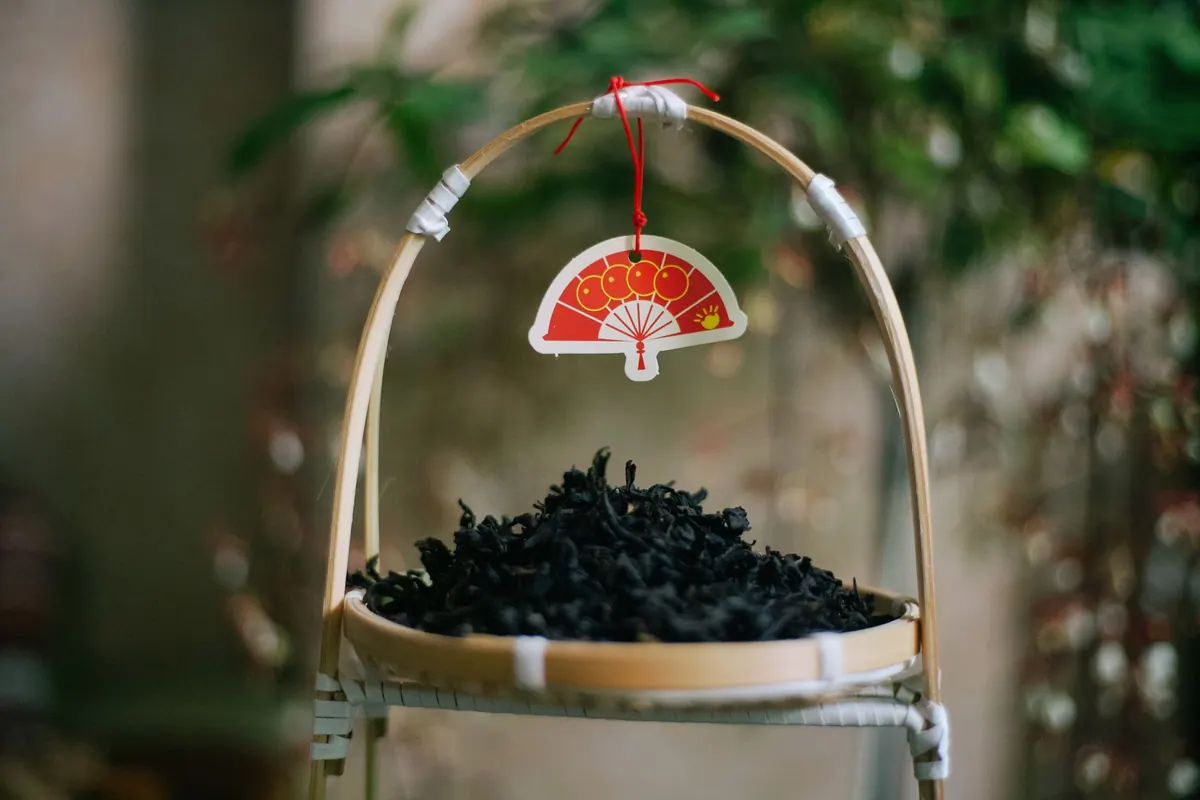
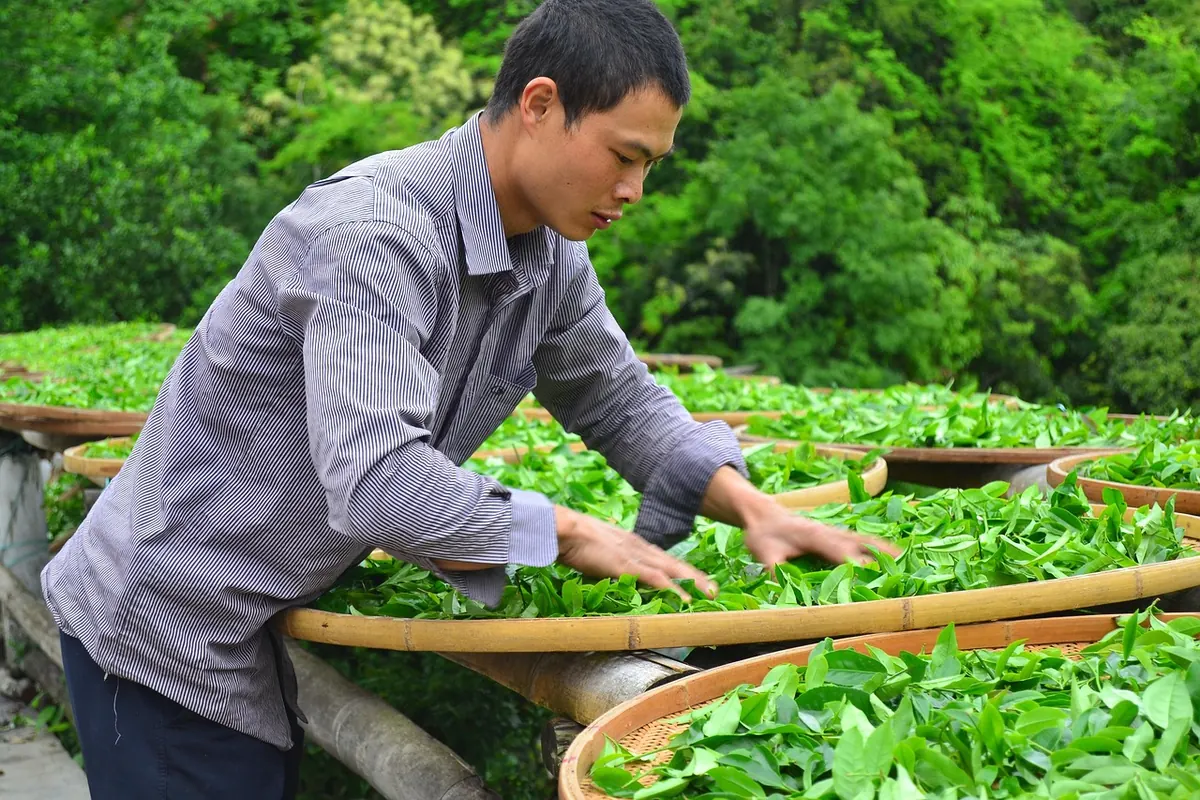
Sencha is the everyday green tea of Japan, and by far the most produced. Leaves are grown in open sun, steamed within hours of picking to stop oxidation, then rolled into the needle shapes you see in the bag. You steep the leaves and pour off the liquid. Nothing is wasted on texture, so the flavor is carried entirely by water.
Matcha demands a few tools: a bowl, a fine-mesh sifter, and a bamboo whisk if you want real foam. A milk frother works in a pinch. Here is the sequence:
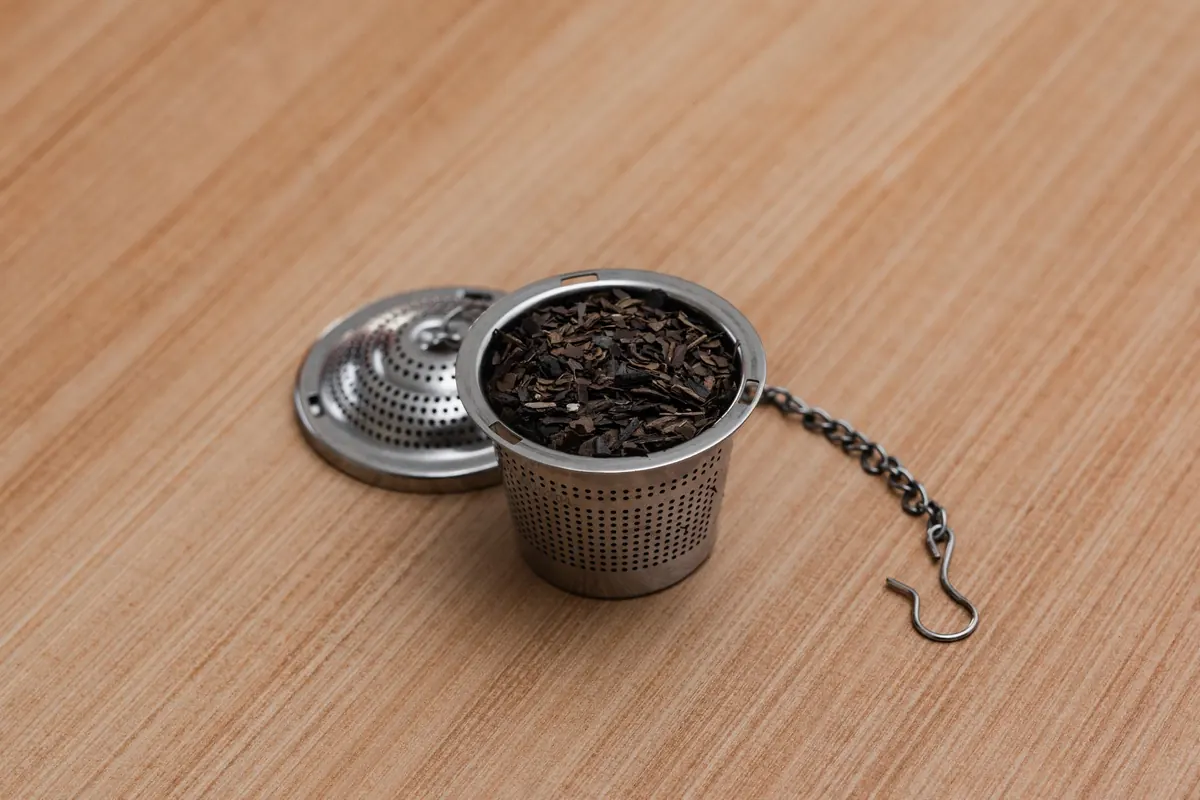
Sencha is forgiving by comparison. Use about 5 grams of leaf (a heaped teaspoon) for 200–250 ml of water at 70–80°C, and steep for 60–90 seconds. That first pour is the sweetest. Re-steep the same leaves a second time with slightly hotter water for 30–45 seconds, and you will pull out a sharper, more refreshing cup. Keep the leaves loose in the pot rather than jammed into a tiny ball strainer — they need room to open.
Good matcha is dense and sweet-vegetal, with a marine edge and a creamy, almost coating mouthfeel. The sweetness arrives first, then a soft bitterness at the back of the throat. Overheat it or use too much powder and that bitterness takes over completely.
Sencha is livelier. Expect a broth-like umami in the first steep, then grassy, citrusy, slightly oceanic notes, and a clean astringency that makes you want another sip. First-flush sencha picked in spring tends to be sweeter and more delicate; later harvests are more astringent and better suited to everyday drinking. Neither tea is "better." They scratch different itches.
Because you consume the entire leaf, matcha generally delivers more caffeine per serving than a standard cup of sencha — often noticeably more, depending on how much powder you scoop. Sencha lands lighter, though plenty of leaf, hotter water, and longer steeps all push the numbers up.
The quality of the lift differs too. Both teas contain L-theanine, an amino acid associated with a calmer, more focused kind of alertness rather than a spike and crash, and matcha tends to feel steadier simply because you are drinking the whole leaf. Everyone responds differently. If you are sensitive to caffeine, pregnant, or taking medication, keep portions modest and check with a healthcare professional about what fits your situation.
Green tea is perishable, and freshness matters more than brand prestige. For matcha, buy small tins, look for a harvest or production date rather than a vague best-before, and judge by color and smell: deep, vivid green and sweet, grassy aroma. For sencha, look for glossy, intact needles and a fresh, green scent. Faded yellow leaves mean old tea.
Store both airtight, away from light, heat, and strong smells — coffee and spices are the usual culprits. A sealed tin in a cool cupboard works well; the fridge is fine if the container is genuinely airtight, and let it come to room temperature before opening so condensation does not dampen the leaves. Matcha is best within a few weeks of opening, sencha within a few months.
If you already drink tea while doing something else, start with sencha. Buy a 100-gram bag of a mid-range first-flush or everyday sencha, a small teapot or a mug with a strainer, and practice the 70–80°C pour. If you want a deliberate pause in your day, start with matcha: one bowl, one whisk, no multitasking. And if you cannot choose, keep both. A tin of matcha and a bag of sencha cost less together than a month of cafe drinks, and they cover almost every mood a tea drinker has.
Photo: congerdesign / Pixabay