Afternoon tea at home works best when you stop treating it like a performance. The point is a slow hour with good bread, warm scones, and a pot that keeps coming. Get the order of operations right and you will spend most of the afternoon sitting with your guests instead of standing at the counter. Here is a plan that holds up whether you are serving four people or twelve.
A calm tea party is mostly preparation that happens before anyone arrives. Map it backwards and the day itself becomes easy.
A traditional stand has three levels because each one does a different job. If you do not own a stand, use three plates at slightly different heights, or simply pass dishes in order. Aim for roughly three or four savory bites, one or two scones, and two or three small sweets per person — then add a little extra, because people always eat the scones.
Finger sandwiches cut into neat rectangles or triangles, no more than two bites each. Cucumber with salted butter and a whisper of dill. Smoked salmon with cream cheese and chives. Egg salad with a little mustard. Ham with a sharp spread. Add one warm bite for contrast: mini quiches, sausage rolls, or tiny cheese toasts. Crustless is traditional, but only if the bread is fresh enough to hold its shape.
Two kinds is plenty — one plain, one with currants or grated cheddar and chives. Serve them warm with clotted cream if you can find it, or mascarpone loosened with a spoonful of cream. Good jam matters more than fancy china. Break the scone with your fingers rather than sawing it with a knife, then top each half. Whether cream or jam goes first is a regional argument, not a rule; put both on the table and let guests settle it themselves.
Keep this tier small and varied. A lemon tart, a square of dark chocolate shortbread, a tiny fruit tart, one bite of something with raspberry. Three different textures beat five versions of the same sponge. If you are short on time, a good bakery does this better than a stressed host does.
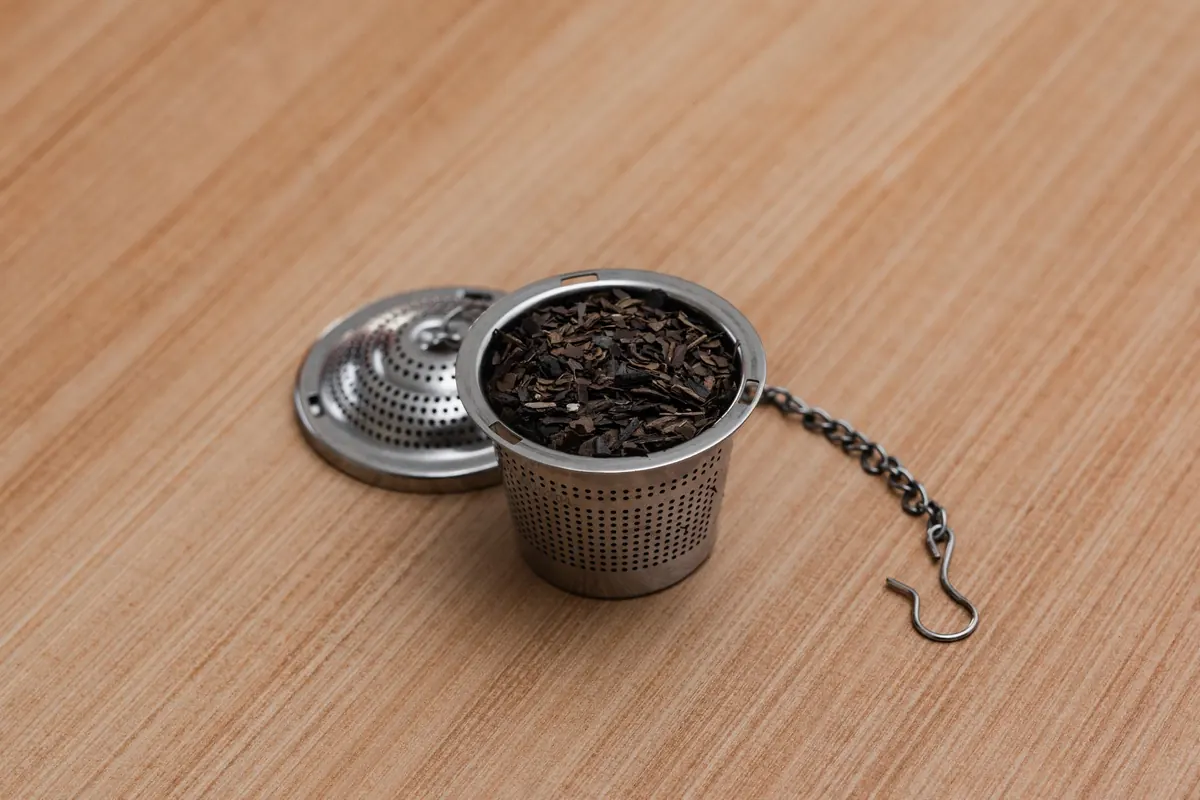
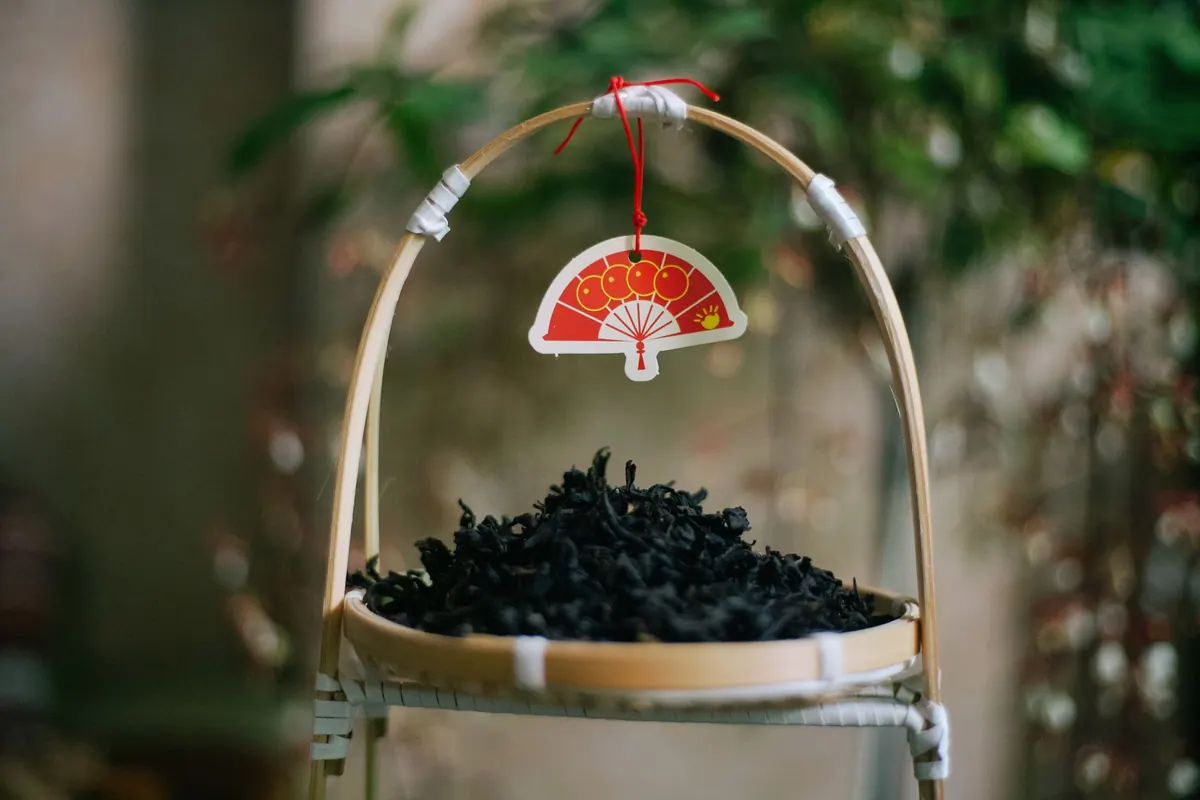
Two pots are enough, and they should contrast. Brew a lighter tea for the savories — Darjeeling, a Ceylon, or a gentle oolong — and a fuller one for the scones and sweets, such as Assam or an English Breakfast. If you want a third, make it caffeine-free: rooibos, mint, or chamomile. Offer sugar, milk, and lemon in separate small dishes so no one has to ask.
Brew in batches rather than one giant pot. A large pot left steeping turns bitter within twenty minutes, and bitter tea flattens the whole table.
Refresh the pot every thirty to forty minutes. If you are serving guests who are pregnant, on medication, or sensitive to caffeine, keep a caffeine-free pot going and let them choose what suits them; anything medical is a question for their own doctor, not for the host.
Most old tea rules existed to protect porcelain and keep conversation pleasant. Keep the second half.
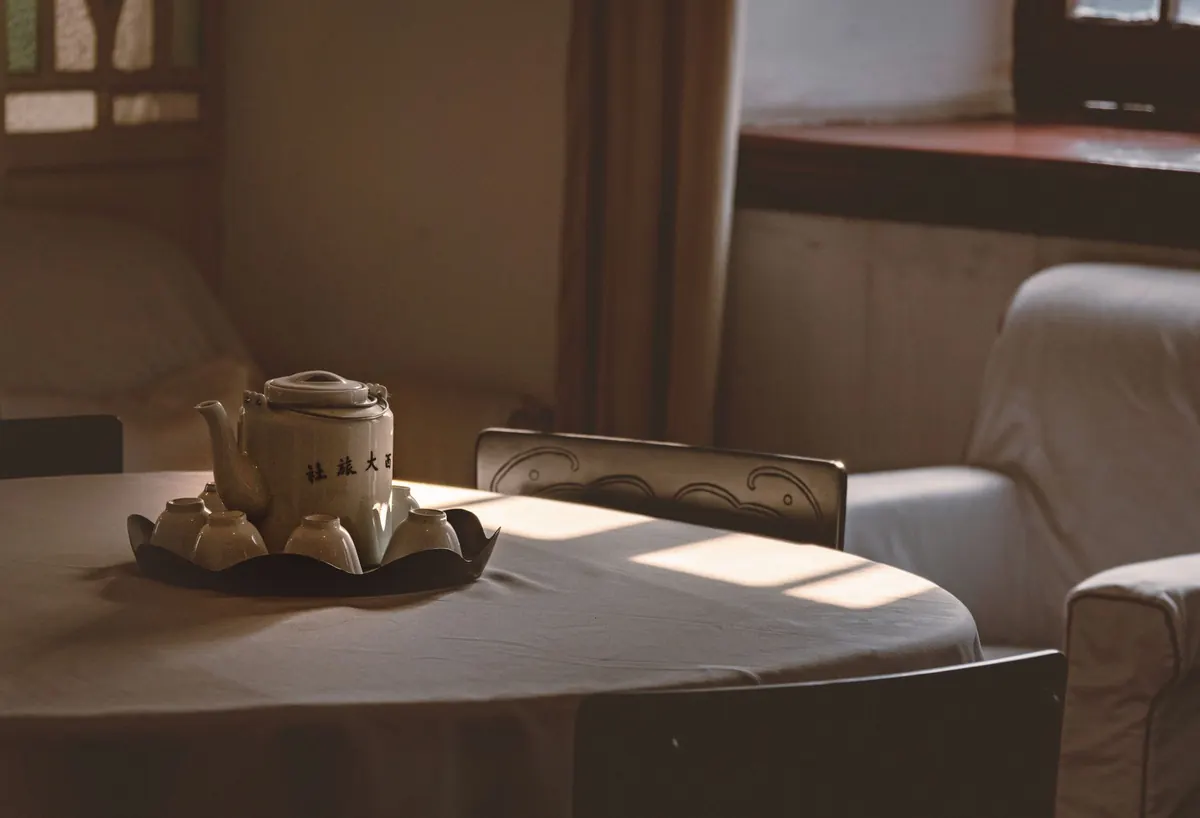
Mismatched cups are charming; a cramped table is not. You need a cloth or runner, a small plate per person, a shared plate or stand in the center, teacups and saucers, a teapot or two, a milk jug, a sugar bowl with its own spoon, and a small spoon or fork per guest. Put refills on a side table so nobody has to reach across the scones. Low music, good light, and a cleared kitchen counter do more for the mood than any centerpiece.
Boil the kettle, warm the pot, and take the sandwiches out of the fridge so they are not ice-cold. Put the scones in a low oven for five minutes. Brew, set the pot on the table, and sit down. If something browns too far or a tart slides sideways on the plate, no one will remember. Guests remember whether you sat with them, whether the tea was hot, and whether they were offered a second scone. Everything else is detail.
Photo: 女子 正真 / Pexels